November
brings in the weather I’d been expecting from the start. Grey blanketed skies
that sometimes have texture and sometimes do not. Dark, heavy clouds that hold
rain – rather than the snow I’d expected – and then release the rain like hands
letting fall objects they’ve too long held clenched. In the mornings, mist
hovers in the valley and over the highway that leads to only God and the
Norwegian drivers know where, breathtaking when it’s wispy over the last still
colored trees and green dotted hills, overwhelming when it obscures the
landscape in totality to make the air, the earth, and the sky all the same
ethereal grey. The days are long-lasting dusks; daylight still, but not bright.
 “November
is the darkest month,” my host tells me. “Before the snow comes to brighten
things up.”
“November
is the darkest month,” my host tells me. “Before the snow comes to brighten
things up.”
It’s
in this atmosphere that I visit Oslo.
Only
the day before, I’d finished up a project fixing the ending to a novel that has
long needed fixing and this day is like a reward; a trip into the city to
explore. It’s also the day after the U.S. midterm elections and the state of
that country seems heavy as rain-filled clouds. So, as I walk up the steep
sloped sides of the Oslo Opera House admiring the gleaming architecture and the
welcoming, calling mountains on the other side of the water, as I wander around
Akershus Fortress, I’m feeling both heavy contentment for my life and heaviness
as if the weight of the world, the whole world and all the people in it, were a
thing I’d packed in my bag next to my snacks and it is what’s pulling my
shoulders down and setting an ache in my neck.
 I’ve
dressed in layers but only have on a light jacket. The air is thick with
moisture, crowded with thoughts of rain, but it shouldn’t rain today. Even if
it does, that’s okay. The temperature is cool, but mild in its coolness. When I
walk quickly, I get too hot. When I sit to have my lunch, on a bench
overlooking the bay of Oslo fjord with Akershus Fortress behind me, I get
chilled by the wind that blows in from the water.
I’ve
dressed in layers but only have on a light jacket. The air is thick with
moisture, crowded with thoughts of rain, but it shouldn’t rain today. Even if
it does, that’s okay. The temperature is cool, but mild in its coolness. When I
walk quickly, I get too hot. When I sit to have my lunch, on a bench
overlooking the bay of Oslo fjord with Akershus Fortress behind me, I get
chilled by the wind that blows in from the water.
On
my way to this bench, I pass two of His Majesty the King’s guards. They stand at
attention at various points for a while, looking, guarding, and then they march
on to the next spot. The fortress, although open to visitors, is still a
military area and headquarters to both the Norwegian Ministry of Defense and
the country’s Defense Staff Norway. The King’s guards are dressed in black.
Their coats are sewn with red outlining thread at the coattails and waist, their
pants legs have two thin white stripes down the outside seams. Their black hats
have a feathery poof at the top. They carry their guns over one shoulder. There
is a bayonet at the end of each gun.
 I
take pictures of them when their backs are turned to me, not wanting to be a
gaping tourist while being a tourist. “Is that gun loaded?” is the question
that pops into my mind. A ridiculous question. I know the answer. And it’s not
reassuring to me to know that their guns are certainly loaded. It’s not
reassuring to me at all.
I
take pictures of them when their backs are turned to me, not wanting to be a
gaping tourist while being a tourist. “Is that gun loaded?” is the question
that pops into my mind. A ridiculous question. I know the answer. And it’s not
reassuring to me to know that their guns are certainly loaded. It’s not
reassuring to me at all.
For at
this moment, I’m feeling that weapons are for killing, not for protecting. I’m
wondering why in this world we still have to defend and fight and scrabble and
hate and push away. Why in this world.
Having
finished my lunch and without an answer, I leave the fortress, the guards, the
guns, and the bayonets behind me and walk to a little tea shop I’d seen on my
way in. I sit for a long time drinking a green tea from Vietnam. I sit there
thinking and not thinking. This is the sweet luxury of my current life.

When
I’ve finished off the last drops and can linger no more, I head on out towards
my next point of interest. I pass the large, bronze statues in the plaza next
to Oslo harbor, pass the tall towers and the clock of Oslo City Hall, and make
my way over to the Nobel Peace Center.
The
Nobel Peace Center is the museum for the Nobel Peace Prize. There, of course, they
highlight the Peace Prize and its recipients while presenting the principles of
peace and a little information about the man behind the prize. The Center is
also a place to open up conversations regarding peace, humanity, war, and conflict
resolution.
Give
peace a chance.
Can’t
we all just get along?
All
you need for conflict is two people.
Be
the change you want to see in the world.

As I
go inside, I’m not sure I’ll pay the museum entry fee. For, awash with contentment
and tea as I am, I don’t know that I need anything else for the day except this
gentle wandering from place to place. However, loitering a little in the gift
shop, I see the poster for one of the current exhibitions on the wall. Ban the
Bomb. My apathy vanishes.
I’m
horrified and intrigued by the Bomb. While researching a book I had planned to
write (and then wrote), I did extensive reading on the making of nuclear bombs.
The human ingenuity and the tenacity it took to create such destructive, chain
reactive forces are, in a way, commendable. The science, the physics, the
foresight, the fabrication, the pulling together of resources, the transformation
of energy, the harnessing of power, well, it took a great lot of minds to build
the Bomb. It took a great lot of time and it took a great lot of money.
 That
said, the ingenuity and tenacity don’t outweigh the damages. There is a lot to
be horrified by. For instance, I’m horrified that the U.S. did more radioactive
damage during peace time testing than they did during the atrocities of the
war. And the atrocities were great.
That
said, the ingenuity and tenacity don’t outweigh the damages. There is a lot to
be horrified by. For instance, I’m horrified that the U.S. did more radioactive
damage during peace time testing than they did during the atrocities of the
war. And the atrocities were great.
If I
were to count degrees of separation from that time (and even now we’re not out
of it), I’m not so far removed from it. My grandfather, as a young man in the
Navy, spent months on Enewetak in the Marshal Islands during those peace time
tests of the atomic and hydrogen bombs. As a radio man, he warned pilots when
to get away as they flew as close as possible to the swarming, swirling, ever-rising
mushroom clouds to test just how close they could get. “He saved my skin,” one
pilot told my grandmother. While there, my grandfather swam in radioactive
waters. He picked up coral from the beach to bring home to my dad and my uncle
only to be told he had to leave it all behind because the pieces were highly
radioactive. He told us, his grandchildren, that when the bombs went off they were
brighter than the noon day sun. He told us about the shape of the island—longer
than it was wide. About the way they had to put a rock on the shower levers to
keep the water coming out at a steady rate. These were just stories he told and
which I took for granted until I started my research—finally putting it
together that what he’d experienced and made a sort of light of was really
something that never should have happened. That was not his fault, it was not
his decision. He was just a Navy man, obeying orders, bored to death on an
island in Paradise that was being bombed to hell, and wanting to go home to his
family.
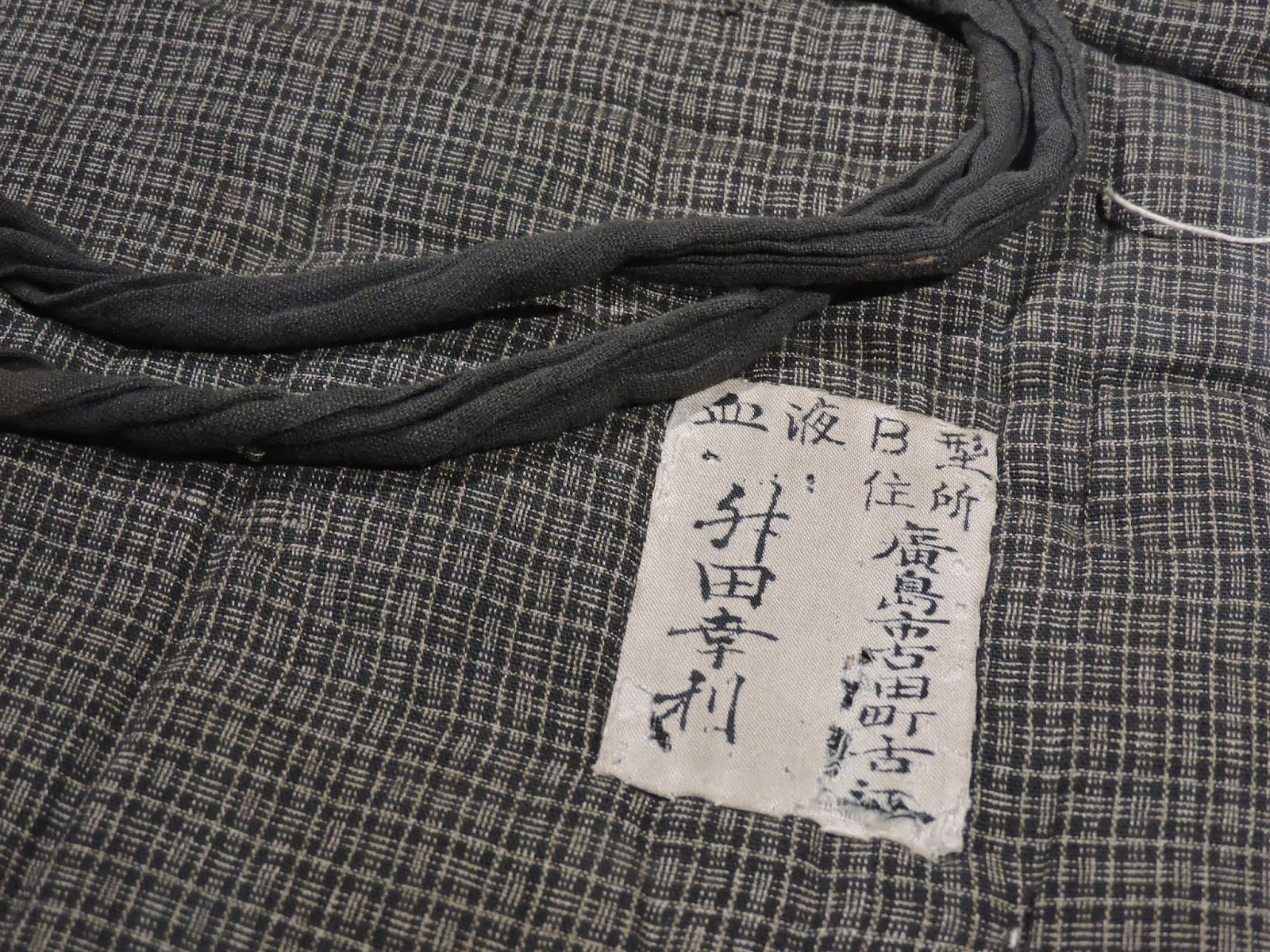 The
making of the Bomb and that later testing of the Bomb were one thing. But the
use of the Bomb against Japan on Hiroshima on August 6, 1945 and on Nagasaki on
August 9, 1945, ostensibly to end the war, was one of the greatest war crimes
committed by one country against another.
The
making of the Bomb and that later testing of the Bomb were one thing. But the
use of the Bomb against Japan on Hiroshima on August 6, 1945 and on Nagasaki on
August 9, 1945, ostensibly to end the war, was one of the greatest war crimes
committed by one country against another.
One
minute, school children were standing in their schoolyards, the next minute
they’d been vaporized. All that was left were the imprints of their human
figures against a cement wall. One minute a woman was walking home from the
market, the next minute her skin was melting off her arms and legs. One minute
a man was drinking tea in his home, the next minute all that remained of him
was the metal face of his watch. One minute, playing children were happy being
children, the next minute their skin was on fire and when they jumped into the
water to relieve the pain, they were boiled to death.
Imagine,
for a moment, 226,000 people, living and breathing and being. Imagine, in the
next moment, that suddenly, all of them are dead. And, if not instantly, then
slowly and in great pain. If you can’t imagine a number that big, then go with
one. Imagine one person. Imagine it is you. You’re there one minute and then
gone, completely gone, the next. That’s the horror of war. That’s the horror of
a show of force. That’s the horror of arrogant, hubristic power. That’s the
horror of the Bomb.
 Knowing
those things, I pay the entry fee and head into the museum.
Knowing
those things, I pay the entry fee and head into the museum.
The
main part of this exhibition is photographs from 2017 by the documentary
photographer Sim Chi Yin. For the project, she traveled along the border of
North Korean and to six U.S. states in order to create a series of diptychs
which reflect “on humankind’s experience with nuclear weapons, past and
present.” She chose those two countries because “North Korea is the only
country to have tested nuclear weapons in the 21st century and the
United States is the only one to have ever tested and used them.”
Her
photos show desolate desert scapes, old bunker houses, mission control centers,
rusted and abandoned radar and anti-ballistic missile defense facilities, and
factories. One picture shows the snowcapped peaks of Mount Paektu on the border
of North Korea and China side by side with the Cascade Mountains of Washington
State. The beauty of the mountains takes my breath away while the thought that
fallout and contamination from nuclear tests marred the air, water, and earth
in those places breaks my heart.
 In a
side room is a case with some artifacts from Hiroshima and Nagasaki; a child’s raid
hood, a rosary, a watch, a lunchbox. These are the only things, barring
memories, left to mark the people who had used them.
In a
side room is a case with some artifacts from Hiroshima and Nagasaki; a child’s raid
hood, a rosary, a watch, a lunchbox. These are the only things, barring
memories, left to mark the people who had used them.
On
the opposite wall is a series of illuminated photos showing images of the
bombs, the devastation of the bombs, the grief of those who survived the
devastation’s first pass, and a series dedicated to the survivors of the bombs
called hibakushas in Japanese which
translates as “explosion-affected people.” These are the ones who were exposed
to the bombs’ radiation and lived. Already overwhelmed, I can’t even read their
stories.
 Another
picture shows a boy from the Marshall Islands who had been out fishing while
the Americans were joyfully testing bombs on the nearby islands. He was burned
by fallout and radiation on his way home. He died as a teenager from a
radiation-related disease. Even to this day, the U.S. has never acknowledged (or
is still slow to acknowledge) that their bombs caused health problems or
deaths.
Another
picture shows a boy from the Marshall Islands who had been out fishing while
the Americans were joyfully testing bombs on the nearby islands. He was burned
by fallout and radiation on his way home. He died as a teenager from a
radiation-related disease. Even to this day, the U.S. has never acknowledged (or
is still slow to acknowledge) that their bombs caused health problems or
deaths.
My
eyes are heavy with rain. My heart overcast with grey clouds. I reach up a
finger as if to touch the image of the Marshall Island boy. “I’m sorry,” I say,
in a whisper. But what can my sorry do? What could it have done back then? What
can it do now?
Alone
in the exhibition room, I sit on a bench and stare at one of Sim Chi Yin’s
diptychs.
 “November
is the darkest month,” my host had told me. “Before the snow comes to brighten
things up.” Nuclear war is the darkest part, I think, before reason and peace
come to brighten things up. But it’s not really nuclear anything that is at
fault, it’s the heart of humans who can’t see past difference. It’s individual
and collective hurt that cloud reason. It’s the fright and pain that block
compassion. It’s the terror of being thrust out of one’s comfort zone. It’s the
grasping to hold on to what is ours at any cost and to not lose anything. It’s
the fear of change. It’s the inability to imagine a world without weapons.
“November
is the darkest month,” my host had told me. “Before the snow comes to brighten
things up.” Nuclear war is the darkest part, I think, before reason and peace
come to brighten things up. But it’s not really nuclear anything that is at
fault, it’s the heart of humans who can’t see past difference. It’s individual
and collective hurt that cloud reason. It’s the fright and pain that block
compassion. It’s the terror of being thrust out of one’s comfort zone. It’s the
grasping to hold on to what is ours at any cost and to not lose anything. It’s
the fear of change. It’s the inability to imagine a world without weapons.
But
I could imagine that. I can imagine that. Because not to imagine it is to
despair.
On
the front of the Nobel Peace Center building are etched three words:
Broadmindedness, Hope, and Commitment. My dad always says, “Where there’s life,
there’s hope.” And what do I hope for? That reason and compassion may come. That
one day we will have a world free of nuclear weapons. That one day we will have
peace.
November
might be the darkest month, but behind the clouds is the sun.


